Many drivers have puzzled over why modern car keys cost more than the old metal blanks, and that question usually leads straight to transponder technology. This piece, written from hands-on experience in roadside jobs and shop work, explains transponder keys in practical language. I will also include trade-offs between dealer service and an auto locksmith, plus steps to prepare for a car key replacement so you are not stuck on the roadside.
A brief technical picture of transponder keys.
Transponder keys combine a mechanical blade with a small electronic chip that talks to the car's immobilizer system. Because the car will not accept a plain metal duplicate without the correct code, theft by simple key duplication or hot-wiring dropped dramatically after these systems became common. Over the years, manufacturers improved the protocols and added rolling codes or challenge-response methods to reduce cloning risks.
How the chip and the car communicate.
When you insert a transponder key, the car's antenna ring around the ignition sends an electromagnetic signal that powers the chip and asks for its code. With a correct response, the vehicle switches the immobilizer off and allows the engine to crank and run. A rejected key typically results in a no-start condition, a flashing security indicator, or both, depending on the vehicle.
What you are paying for when you buy a new transponder key.
You need a key blank, a correctly coded transponder chip, and access to manufacturer or aftermarket programming tools, and those elements make the job pricier than a simple cut key. Dealers often charge more because they use OEM parts and dealer-level programming tools, while locksmiths can usually match function at a lower labor rate and with high-quality aftermarket keys. If the vehicle uses proximity fobs, integrated remotes, or requires all keys to be re-registered when adding one, expect additional charges and time.
Why a key that looks fine stops working.
A key may stop working because heat, impact, or moisture damaged the tiny chip or its internal antenna, even if the blade still turns the lock. Sometimes the problem is not the key at all but the vehicle's antenna or wiring near the ignition, which means swapping in a known-good key will still fail to start the car. Battery failure in integrated remote-key fobs is another common cause of apparent transponder failure, because owners misinterpret remote nonresponse as a dead transponder.

What to expect when you call a car locksmith.
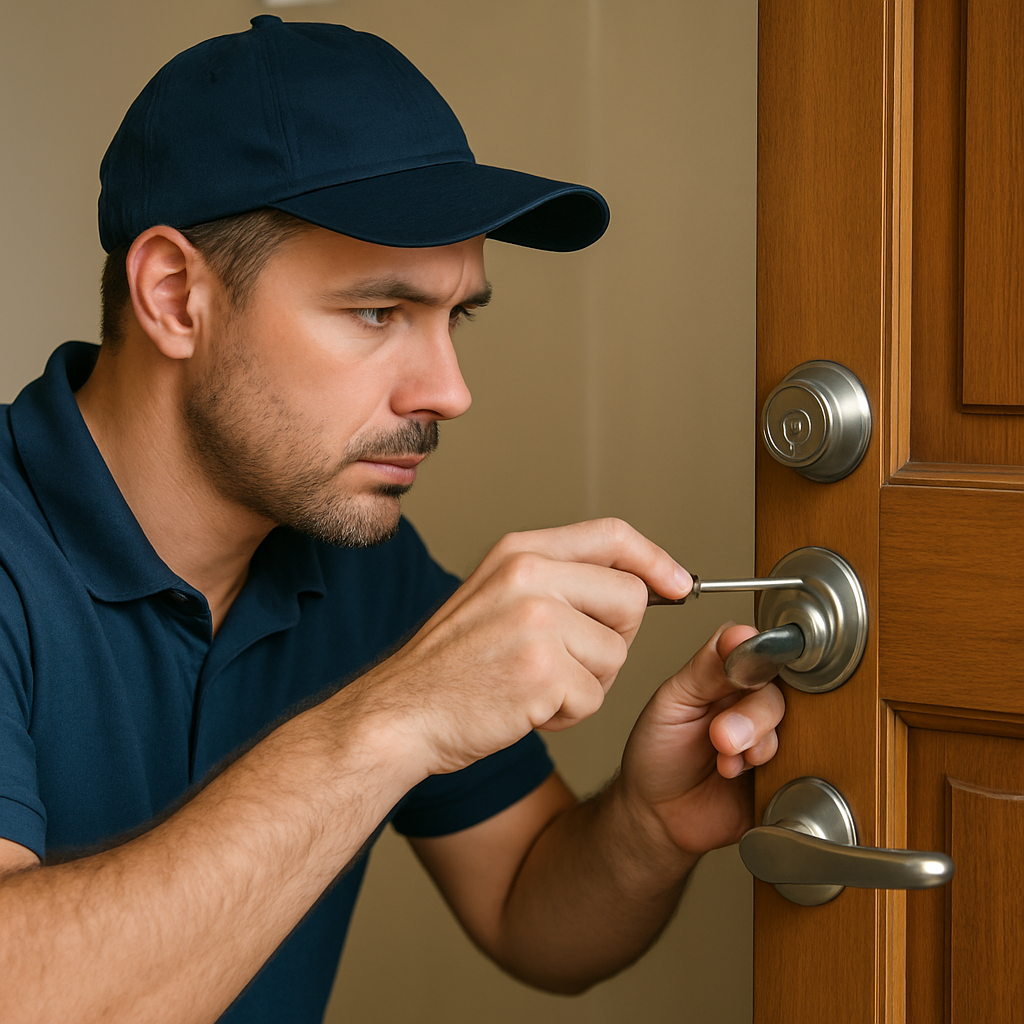
I always confirm the VIN and ownership documentation, then attempt to read the immobilizer responses with my scan tools before cutting any new blade. When a vehicle supports cloning, we can duplicate a working chip quickly, otherwise we follow a vehicle-specific programming sequence that may involve the car's onboard diagnostics or a special tool. Mobile service usually means faster turnaround and lower total cost than towing to a dealer, but very new or luxury models may still require dealer tools.
Limitations of independent locksmiths.
When the immobilizer stores keys in a manufacturer-controlled server or requires OEM online authorization, the dealer will often be the only route to add keys. If the car's system flags tampering or needs a factory PIN only available through the manufacturer, independent repair becomes impractical. If you have warranty coverage that includes keys, or you prefer OEM parts exclusively, a dealer provides parts traceability and a single vendor for warranty emergency locksmith in Orlando Florida 24 hours claims.
How to save money and avoid a roadside delay.
Keep a working spare key in a safe place and check it periodically so you do not discover a dead spare at the worst possible moment. Photograph or record the key blade profile and the key code when you buy a new key, because that information can speed cutting and reduce locksmith time. Get an upfront total that lists the blank, the chip, cutting, programming, and travel fees if mobile service is needed, because itemized quotes prevent surprises on the invoice.
When the work gets complicated and why.
I've been on calls where the key code is stored in multiple modules and the dealer must issue a new key through an online security server. I have spent hours chasing intermittent no-starts only to find a corroded solder joint at the ignition switch rather than a dead key, and that diagnostic time adds to the bill. Installing an aftermarket remote that also needs to start the vehicle often requires syncing both the RF remote and the immobilizer chip, and that doubles the steps compared with a plain transponder key.
How to choose a locksmith and what questions to ask.
Ask whether the locksmith has experience with your vehicle make and whether they carry programmer tools for your model year. Transparent pricing and mobile capability are two features I always highlight when customers call late at night or from the side of the road. Check for verifiable ID, a physical address or shop presence, and an online reputation from local reviews rather than national ads alone.
Maintaining keys to avoid repeat costs.
Physical care goes a long way: cracked plastic and crushed chips are avoidable if you treat keys like small electronics rather than just metal tools. Buying a spare proactively saves both time and money, and many owners recoup the cost of a spare the first time it prevents a tow or dealer visit. Presenting a clear set of documents and a working spare will cut diagnostic time and keep programming costs down.